
Give It Up
Paul Anka: His Way, 2025
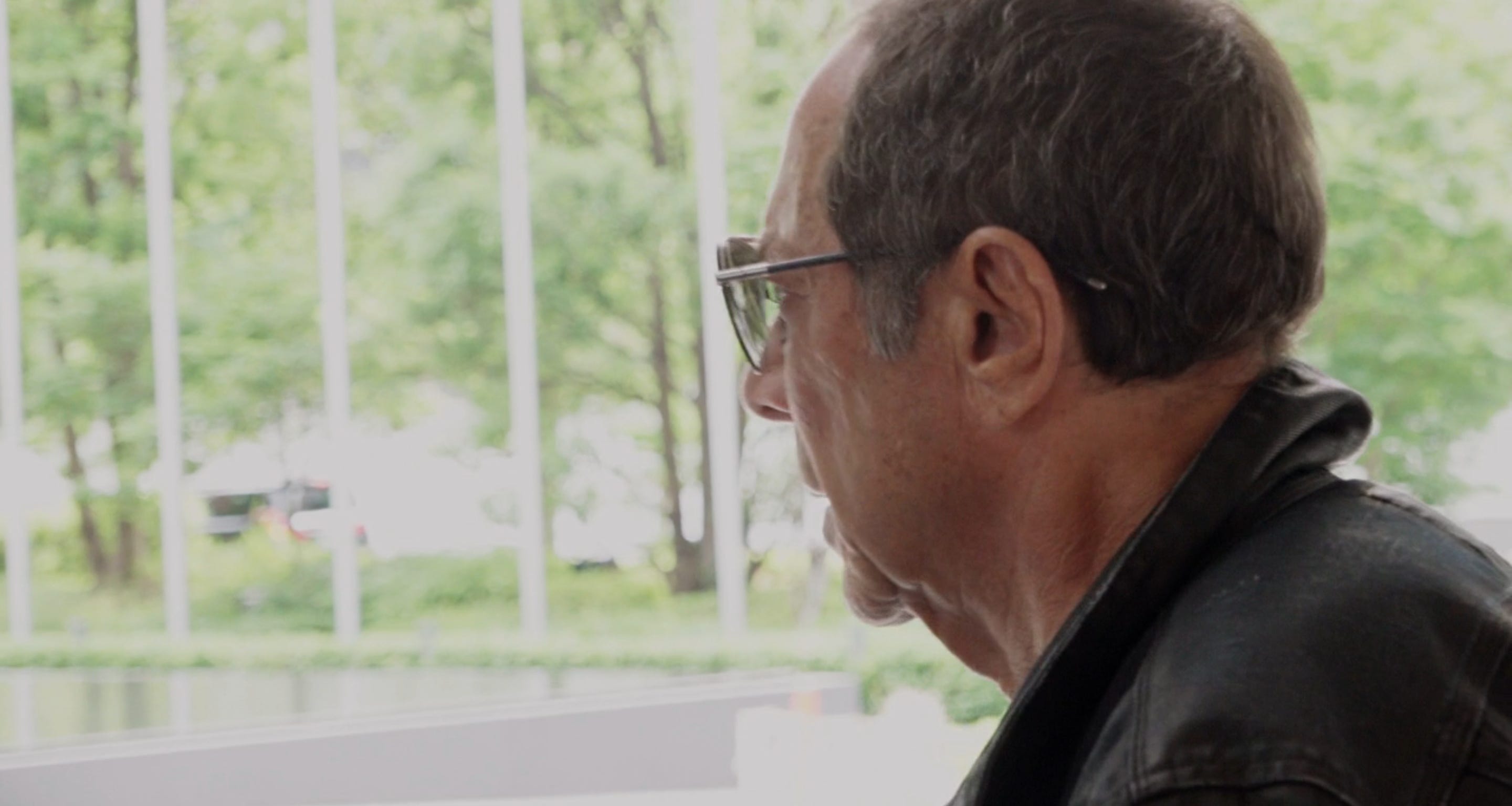
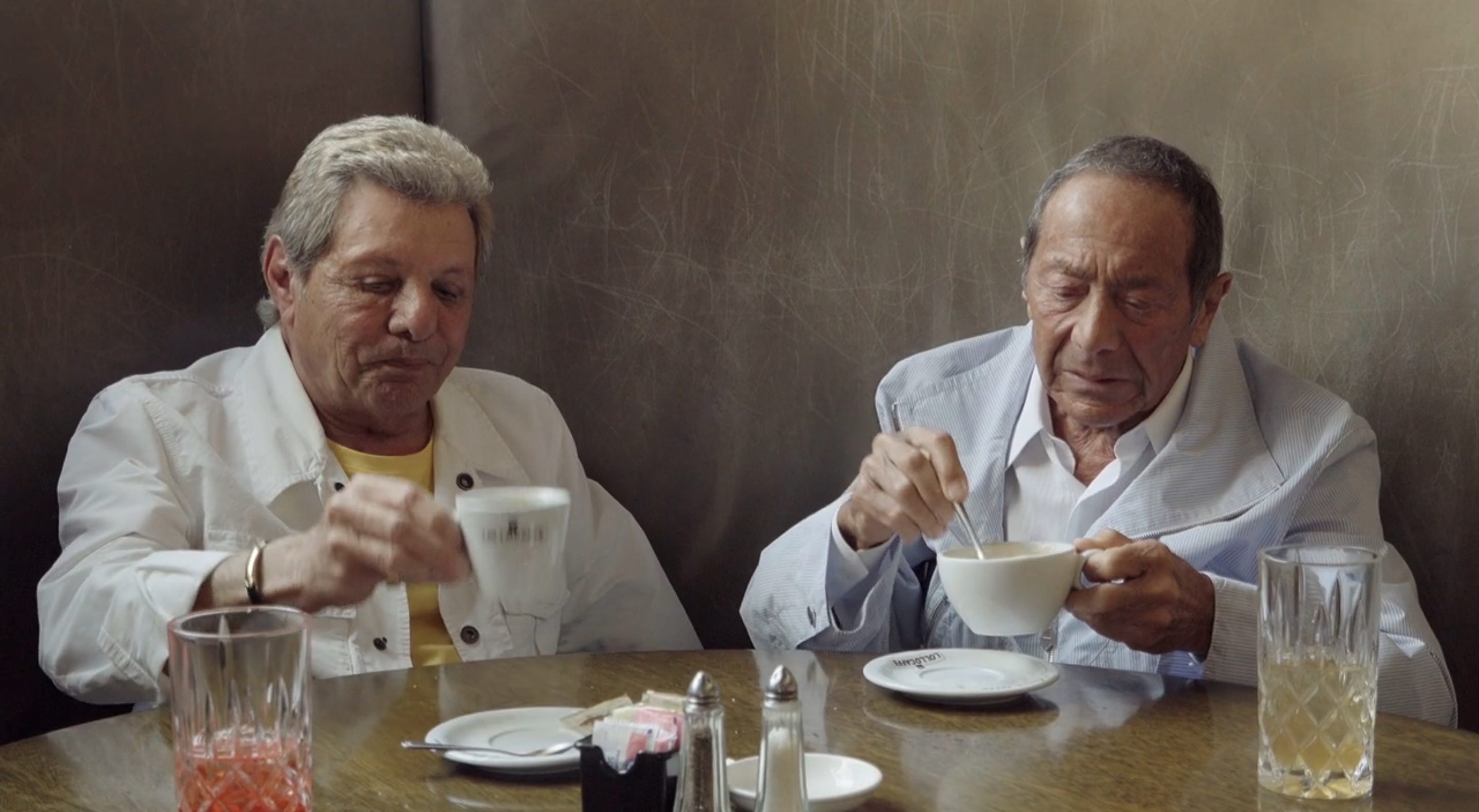
By the end of Paul Anka: His Way, my mother and I were both yelling at the screen. “Give it up!” We said. “Go be an old man!” Before we watched the movie, he was someone we both admired, an undeniable talent and a proud representative of the old school. After the death of Tony Bennett, he became the closest you can get to seeing Frank Sinatra perform in concert. And sure, the man who wrote “My Way” still has, in 2025 and at 84 years old, a strong stage presence. But maybe he shouldn’t.
I think a lot about people who don’t want to retire. For my generation, retiring is a dream, and at this point, probably a fantasy. Who wouldn’t want to hang up their hat and sit around doing crosswords all day? But as the saying goes, if you love your job, you never work a day in your life. It has to be true for someone, and we know these people exist, but encountering them can be quite unsettling. People who love their job have a problem, which is that they don’t seem to understand what life is, and how jobs tend to eat into the part of life that most of consider to be the cream of the human experience. Workaholics all look different: some are clearly unhealthy, sweaty, married-to-the-job types. Some have jobs that bleed over into their personal lives, whatever might be left of that after a brutal shift at a hospital or shelter (see The Pitt.) And then there’s the other kind: the kind that’s just obnoxious. The Paul Ankas of the world.
From the minute Paul Anka hit puberty, he was off to a running start. A prolific songwriter and entertainer and the last true product of the 50s crooner wave, he dominated a pre-Beatles landscape. Every TV talk show seems to have featured him singing to a screaming teen girls dying from an all-consuming horniness. Anka clearly loved the horniness he inspired, and still loves it. Why, otherwise, would he be 84 and still performing?
“He’s just insatiable,” my mother said as Anka’s vanity project took us from show to show to album to fawning endorsement. Anka definitely deserves much of his praise, but in this documentary, it’s hard not to feel the grating egotism of the extreme extrovert creep in. It’s not that people with talent shouldn’t be celebrated—it’s that they should have a sense of themselves out of the spotlight, especially in old age. They shouldn’t be chasing the things we know to be empty—fame, adoration, #1 hits—into their 80s. Isn’t that how we got here, to the Epstein age of people never being satisfied with fame, wealth, and family happiness? Aren’t we supposed to learn at a certain point that more isn’t always better than enough? Even if you love your work, at some point you have to get around to living your life. Even if it hurts. You’re not supposed to do what Anka does, which is show up on the streets of Japan at 80 singing his own songs and begging someone to recognize him.
My father, another artist who refuses to retire, felt the opposite way. He wanted Paul Anka to go one touring and singing the hits and begging fans to love him forever. He did not see the problem with how craven it makes the man, who divorced his first wife—with whom he had five daughters—seemingly because she wanted him to retire decades earlier. Maybe it’s a gender divide. Maybe it’s more about those of us who have divested from success feeling like those who are still chasing it are embarrassing (not to mention kidding) themselves. Who knows. My mother and I wanted Paul Anka to be what he is: an old man. But if you’re used to and excited by the kind of fame that never allows you a private moment, how do you insist on privacy? For certain extroverts of this type, privacy is loneliness, and loneliness is to be avoided at all costs. Don’t ask me why.
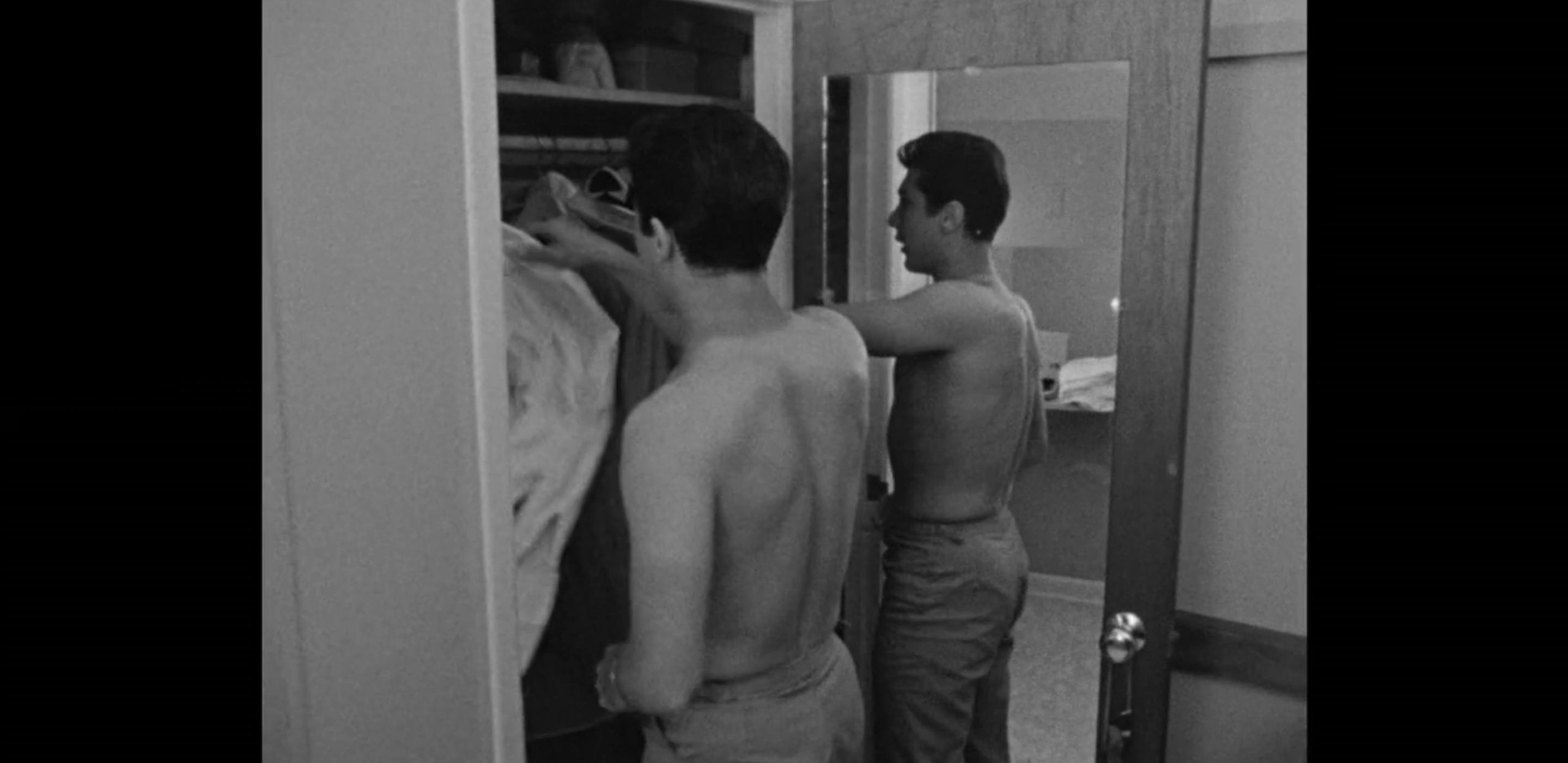
I’m maybe the last person in the world who can appreciate the drive for success. I’m already an introvert, and for a long time now I’ve seen my desire for success as a disease I need to kill in myself. That’s not to say that it’s a always disease for other people. There are many people who get their kicks from being around others and performing a certain personality for them. For me, it’s a disaster waiting to happen. Either you perform too well and you get locked into a character that isn’t actually you, or you fail to perform to the world’s satisfaction, and the world resents you for it. But I can sort of imagine being in Anka’s position. Like Sean Penn in (cursed reference) Sweet and Lowdown, Anka was probably the #2 guy who always wanted to be #1. He couldn’t be that, because he came too late and the top spot was already taken by Frank Sinatra. But he could do the next best thing. He could be the most ubiquitous #2 in history. “Sinatra used to call me The Kid,” he says proudly. He’s also proud of his collaborations with Michael Jackson, which he has no shame about milking after Jackson’s death. He doesn’t seem to care or even be aware of the fact that aligning oneself with Jackson at this point is pretty poisonous: to Anka, Michael was and is the King of Pop, not a child molester who happened to be very, very famous. It’s not enough that he aligns himself with these dead figures and takes off across the world to play the hits for his uncritical, adoring, nostalgia-soaked fans. He has to beg for love and recognition from anyone and everyone he comes across. It’s exhausting.
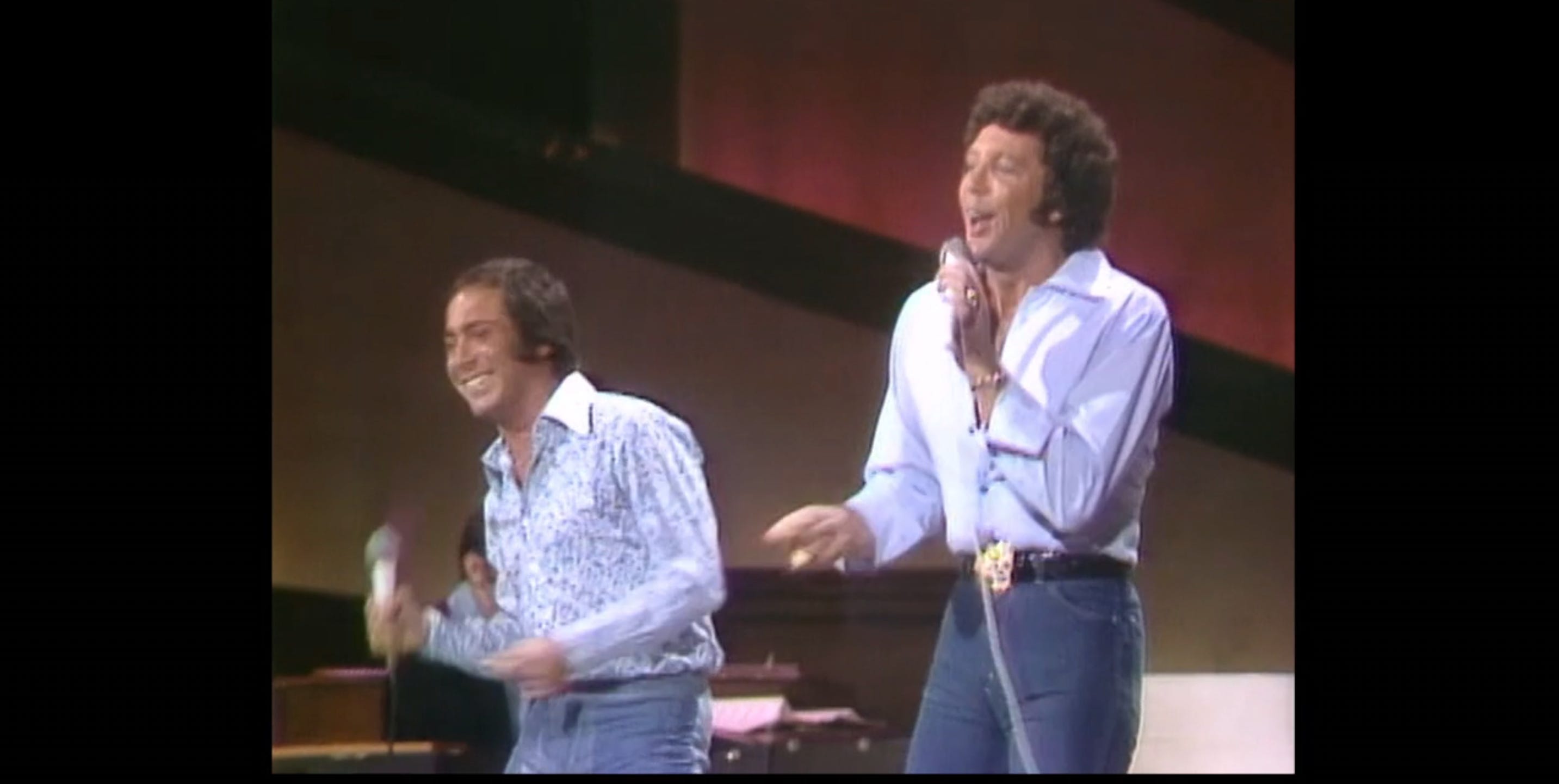
I guess the question is why 70 years of applause still isn’t enough. Maybe he doesn’t want to realize that his time has come and gone, and maybe he doesn’t want it to be over. But there is such a thing as reality. Even those who are young in spirit eventually grow old in body, and other things in life must be attended to. You can try to outrun it, but even if you manage to trick yourself into believing you’re Peter Pan, everyone else is going to look at you and see an old man past his prime. Worthy of respect, yes, but not eternal adulation. Alexander wept for there were no more worlds to conquer, but luckily for him, there was no such thing as a world tour at that point. In a different era, he could have sailed across the universe telling everyone the story of his life over and over again, and pissing everyone off.
For most of us, it’s not important that our story ever gets told. We spend time with the people to whom our life means something, and that’s enough.
Next week: how to ruin a cookbook.